The Transformative Power of Revealing Our Secrets
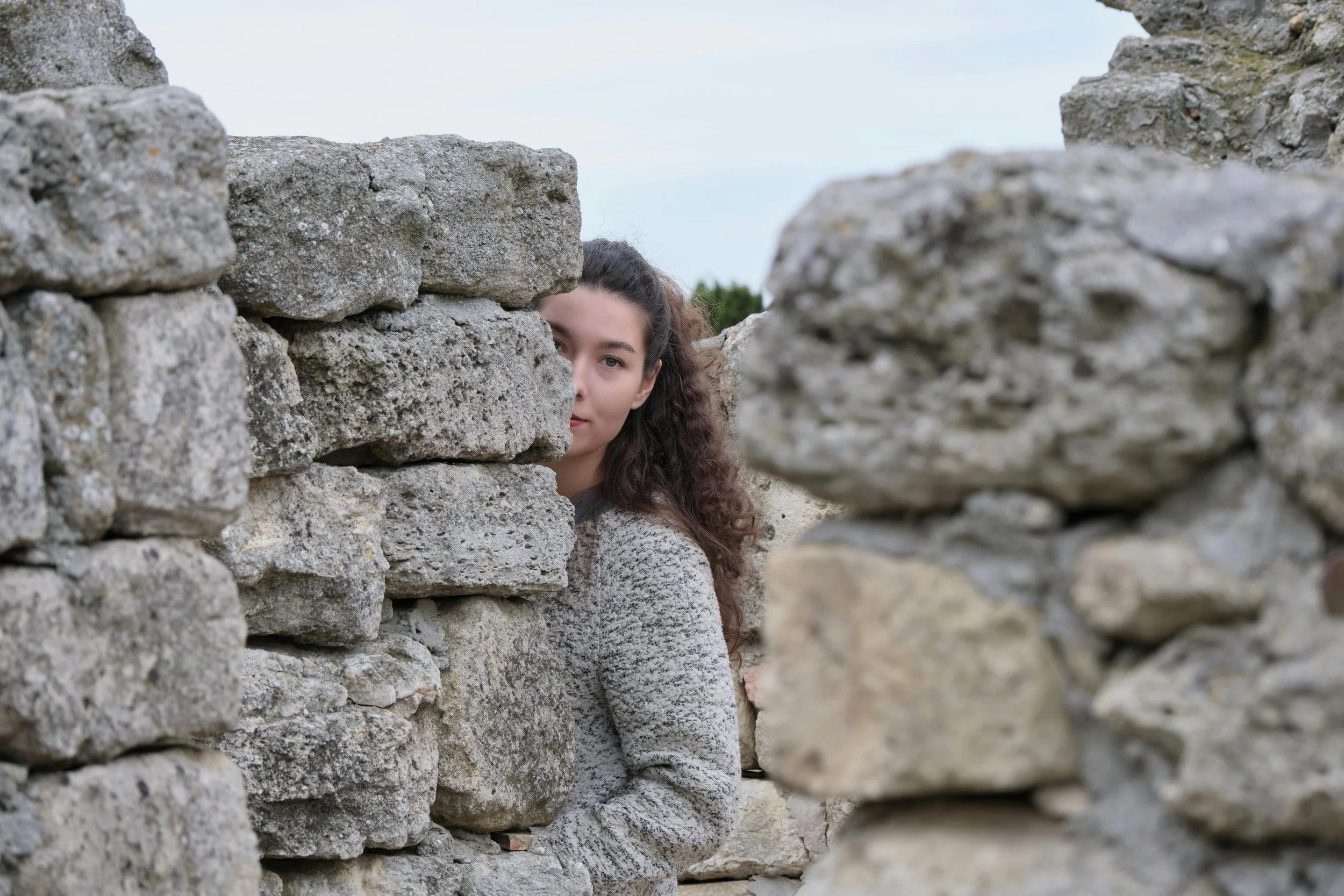
“Before I built a wall I’d ask to know… What I was walling in or walling out?” ~Robert Frost
When I was five years old, I spilled a bottle of nail polish on the carpet. Afraid to confess, I desperately tried to erase the evidence. When nail polish remover and soap failed, I frantically moved on to whatever I could find—toothpaste, lotion, shampoo, conditioner—rinse and repeat. Everything made it worse. The more I scrubbed, the more the small, pink stain grew into a coagulated, watermelon-sized mess that lingered for years.
Like that stain, our secrets or attempts to hide them, can often morph in into something bigger, heavier, and long-lasting.
Most of us have kept secrets. Sometimes it’s a minor embarrassment; other times a major trauma. We protect ourselves against potential punishment or being judged or misunderstood. We avoid events that feel too scary to share— a trauma, unsurmountable debt, an abortion, a legal consequence, or a health diagnosis.
We believe holding back what makes us vulnerable will keep us safe from harm, or at the very least, preserve our reputation.
The Shadow Side of Secrets
When self-protective becomes destructive
Much like my nail polish incident, the secrets we keep can expand, consuming more of us than we realize.
Carl Jung refers to this as our “shadow” side—the place in our psyche where rejected parts of ourselves reside. We all have one. Denying these parts doesn’t erase them; it only allows them to fester and warp our self-perception.
Jung argued that the more we attempt to ignore the shadow, the more dominant it becomes. The secrets we strive to protect (our vulnerabilities, mistakes, or faults), become the source of the threat.
Shame compounds, as do the lies we tell to protect our secrets.
It’s no longer about something we did or endured, it becomes who we are. We see ourselves in a distorted light, and feel alone and isolated in our experience. Isolation perpetuates insecurity, erodes connection, and can damage relationships in ways we never intended.
Savanna’s Story: She had an affair decades ago and never revealed that her daughter was not her husband’s biological child. When the truth surfaced, the 40-year old daughter and the man who raised her were both left to contend with a new reality and a new relationship.
Ryan’s Story: Adopted as an infant, Ryan grew up oblivious to his origins. Family members knew, but kept it from him “for his own good.” It wasn’t until he found a biological sibling on 23andMe that he discovered he had an entire family who’d been waiting to know him.
Talia’s Story: Silenced after being sexually abused by a family member, she carried that burden into adulthood. The secrecy hindered her confidence, her relationships, and her trust in others.
Denying someone of their personal history, their biological heritage, or their truth steals their sense of identity. When the secret is discovered, reality feels shattered. Families are fractured, not by the secret itself, but by the betrayal. Devastated, angry, and confused, the unintended victims are left to reassemble their world.

Defending Secrets
It’s difficult to feel whole and authentic when we’ve amputated a significant aspect of who we are or what we’ve experienced.
Sometimes a secret can be hidden for so long, we forget it’s there. We work so hard to protect our secret, our memory of the experience actually changes. It’s not uncommon for people to remember things differently, but when people chronically avoid their secrets, their perception of reality may shift. Details of events become reorganized in our minds, (thoughts and beliefs). Over time, this altered story may cause us to lose sight of the truth.
It takes a significant amount of effort and energy to protect our secrets. We expend so many resources hiding or worrying about being found out, we are not in a growth state. Existing in a chronic mode of fear or protection can make us sick. Exhausted. Fragmented.
Trust: Creating Safety
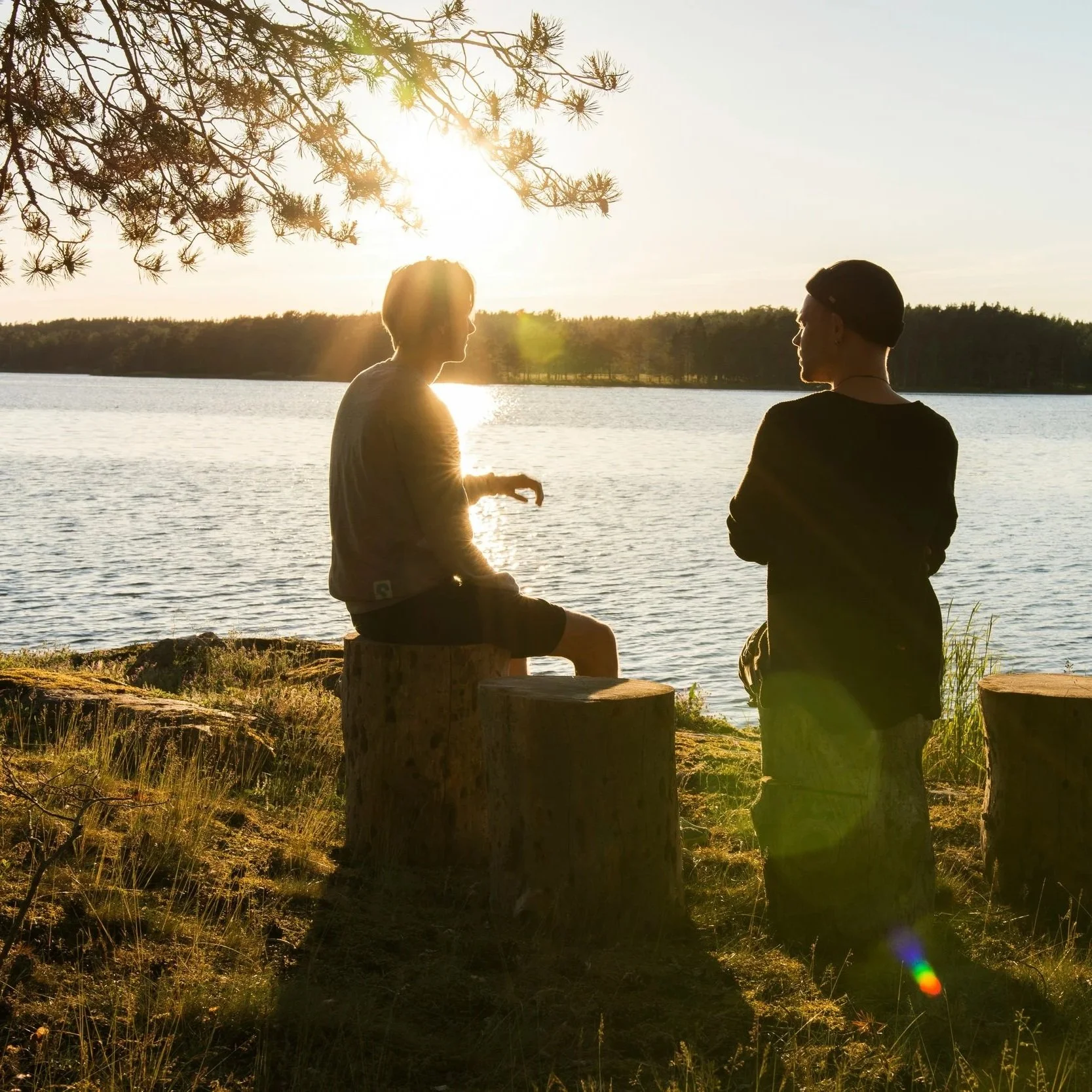
Secrecy isolates. Confidentiality protects.
Some might say I’m a professional secret keeper. As a therapist, I hold space for people’s deepest pains, regrets, and vulnerabilities. I listen carefully and follow up with questions that in any other context might seem intrusive or offensive. My role is to maintain confidentiality, thereby making my clients feel safe. Born from the Latin fides, meaning “faith” or “trust,” confidentiality means I will guard their truths with discretion and without judgment.
Even as we acknowledge the risks of secrecy, we know that self-disclosure is also risky. I’m not suggesting that we indiscriminately broadcast our traumas or reveal our deepest, darkest feelings. Sharing the truth requires discernment and self-awareness. Know your audience, as they say. But more importantly, know yourself. Tune inward to sense what feels safe and who feels worthy of your trust.
Cultivating self-trust is foundational to developing trust with others. The more we trust ourselves, the better we connect with others. It’s a cycle— risk invites trust, trust deepens connection, connection nurtures honesty. In healthy relationships, trust means creating safety, respecting boundaries, and maintaining integrity.

Sharing to Heal
Secrecy fragments identity. Truth integrates it.
For decades, my mother battled chronic depression and suicidality stemming from her childhood wounds. Inherently shy and soft-spoken, she was reluctant to talk about her experiences. Over time, she realized she might be able to help others feel less alone, and she discovered the courage to share her struggles and her story.
Despite the shame associated with her trauma and the stigma of mental illness in the 1980s, she gradually allowed herself to be seen, even when it raised eyebrows or evoked judgement or pity. As a kid, I often wished she could “just be like the other moms.”
Now, I admire her honesty, as I’ve witnessed through decades, how her willingness to accept herself —her fear and her pain— has conversely freed her from the self-defeating traps of shame and secrecy.
Self-acceptance and self-disclosure are intertwined.
When we acknowledge and share the truth of who we are—even the difficult parts—we begin to feel whole. Relieved of the burden of hiding, we become more free.

From Secrets to Superpowers
Transforming fear into resilience, shame into connection
If you’re living with a secret, consider:
Does hiding a truth protect you or is it robbing you of connection and peace
What small truth could you risk sharing, even with just yourself or in a journal?
Who has earned your trust? What boundaries feel safe to you?
What resources are available to you (professional, social, spiritual)?
What can help you decide if someone is trustworthy? (download a free Trust Assessment Checklist)
Our life is a mosaic of experiences. Secrets don’t vanish when we hide them; they shape the stories we tell about ourselves.
Imagine if your adversity (eg. trauma, infidelity, adoption, addiction, etc) was actually your superpower!
Every experience has the potential to broaden our perspective and deepen our understanding. When we share our truth— wisely, not recklessly— we lighten the weight we’ve been carrying. Facing our fears disrupts the destructive patterns of shame and secrecy. Sometimes the very thing we’ve kept hidden can become the source of connection, strength, and inspiration for ourself and others.