The Key to Successful Relationships: Improvise!

It’s not like me to venture out for a concert on a Monday evening. But as I sat under the stars, surrounded by palm trees, listening to the funky bluegrass-jazz fusion of Bela Fleck and the Flecktones (a band I had never heard of), I was riveted. Beyond their raw talent and ability to simultaneously play multiple instruments, what impressed me most was their remarkable improvised communication. They were each vastly different, yet so harmoniously connected.

What does it mean to be seen?
If you’ve ever felt invisible in a crowded room or misunderstood by someone you love, you’re not alone.
The art of feeling seen starts with improvisation—paying attention, responding in the moment, and leaning into genuine curiosity.
With rapt attention, each member of the Flecktones responded flawlessly and fluently in their common language. As I witnessed their subtle cues —the twitch of an eyebrow, a repositioned hand, a wink, a nod— I kept thinking, These guys should teach a relationship seminar!
The most common complaints I hear in relationship therapy are: you don't understand me, you don't see me, or you don't appreciate me.
This unsuspecting group seemed to embody what so many people in relationships seem to lack… the ability to communicate so each member feels seen, heard, and understood. It’s a very cool dance of attunement.
Ultimately, we all want to feel like we matter in our relationships, whether it's feeling seen by a romantic partner, being acknowledged by a professional peer or supervisor, or feeling appreciated by a member of our family.
When we don’t feel seen in our relationships, we feel alone in our experience. We’re more inclined to respond defensively. We withdraw, seek out distractions, or attempt to fill the void with other sources (ie vices).

When our attunement is out of tune
What prevents us from truly seeing and feeling seen in our relationships?
The Flecktones create melody amid chaos. They convey a quality of harmony within the noise.
Meanwhile, our life often just feels like chaotic noise. More hectic than harmonious, we get caught up just trying to get through the day or move from one place to the next. We’re fixated on our task list, moving as fast as we can. Rarely do we look up long enough to really see or listen to the people around us, particularly those who are closest or we see the most often.
Our attention is constantly pulled in different directions. We succumb to other demands or we voluntarily seek out distractions to manage our stress. In our efforts for relief, we scroll social media, flip through channels, or compulsively check our emails or phones.
We wrestle with our own desire to feel seen or recognized. We get so wrapped up in our experience, we neglect to notice what’s happening across the table. We try to predict the outcomes, anticipate our rebuttals, and fail to realize how we’ve checked out of the conversation prematurely.
We become so focused on how we’ll respond, we’re not listening or understanding the people we care about.

Lessons from improv
Be uncertain, present and open to surprise.
One of the qualities that made the Flecktones such a cohesive group was their suspension of certainty. Sometimes the music seemed as unfamiliar to them as it was to me. They would toss a tune from one member of the band to another. Anything could change. There were detours and elements of surprise in each piece. Unable to anticipate what was coming next, they would slow down and dial in their attention even more to see what would unfold and where the music would take them. Hanging on every note, they were fully immersed in the present moment with each other.
Typically, our brain likes to know what it can expect and predict. Anything fast (instinctive) and familiar requires fewer resources than things that are intentional or novel. We easily and effortlessly slide into a default mode (aka “autopilot”). This is true of our daily commute, how we brush our teeth… and how we connect with people who are the most familiar to us.
When we fall into a default mode in relationships, we look without seeing, hear without listening, and respond without understanding. We end up feeling alone in our relationships. At best this can feel isolating, and at worst it can feel threatening and unsafe.
Great relationships, like great music, thrive when we embrace improvisation. When we show up with interest and curiosity, we’re more engaged and open to the unfolding dynamic between us. It’s a reciprocal dance that requires us to intentionally slow down and pay attention.
As we feel seen in our relationships, our nervous system relaxes. We experience a sense of safety within ourselves and in the relationship, which allows us to show up more authentically and confidently.

Practicing Sawubona
An expression of appreciation and an invitation to be seen
Several years ago when I was in Africa, in the pre-dawn hours before our first safari, I would stumble toward a cup of rooibos tea in the dark. Still in a dream state, a refrain echoed through the air…“Sawubona.”
Everyday we were greeted by this beautiful expression, Sawubona, which in Zulu means, "I see you.” It's a reverent acknowledgment, an honoring… a way of meeting you as you are. An intentional practice, it’s a way of seeing others and allowing ourselves to feel seen (even before we’ve brushed our teeth).
There’s an implicit intimacy or vulnerability in allowing ourselves to be seen. Especially in a culture as unaccustomed to it as ours. We think we have to present a certain way for fear of judgment or rejection. However, this is the intimacy that we long for most… a deep connection, a belonging, a desire to be understood.
Imagine playing a game of hide and seek with your best friends from childhood. You find a really great hiding place, and you wait and wait. Not only does no one find you, but they’ve stopped looking. You see them off in the distance playing on the swings, totally unfazed by the twenty minutes you spent in the dark. They seem to have forgotten you. Or they lost interest. How would that feel?
Child psychology pioneer, Donald Winnicott said, “It’s a joy to be hidden, and a disaster not to be found.”
We can enjoy the excitement of venturing out, as long as we trust someone will come looking for us if we don’t come back. This is just as true in emotional connection and risk-taking as it is in a game of hide and seek.
Even the Flecktones, these grown men at mature stages in their lives and careers, experienced the thrill of being “found” when taking a musical detour. Their faces would light up when another member of the band caught their riff.
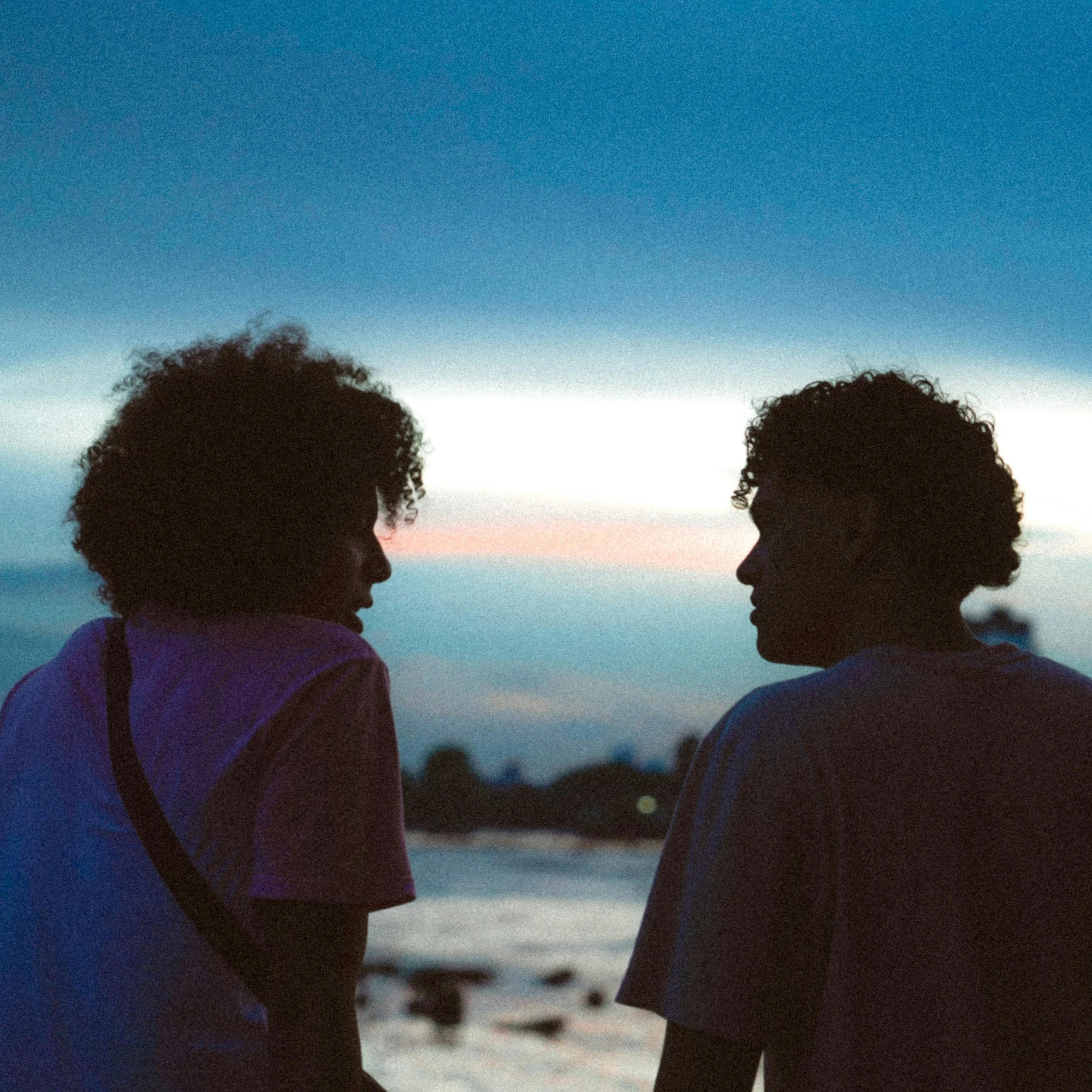
Improve your relationships
Ways to make others feel found and seen:
Start with “sawubona”—Whether you say it aloud or as a nonverbal gesture, this expression of appreciation, respect, and reverence sets an intention to honor those you encounter throughout your day.
Develop a shorthand—Having a common language, especially in your closest relationships, can promote greater harmony. Experiment with eye contact, nonsexual touch, an inside joke, or a reassuring verbal cue that conveys “I got you.”
Improvise—Stay open to new discoveries, even with people you think you know best. This means being present in the moment, paying attention, and inviting a sense of curiosity and surprise.
Curb distractions and assumptions—Power off devices, leave your phone at home, and carve out uninterrupted time together. Imagine meeting each other for the first time. Bring fresh eyes and ears for a new take on your conversation.
Improvisation, curiosity, and emotional attunement form the rhythm of meaningful relationships. By letting go of autopilot and embracing what emerges in the moment, we find ourselves—and those we care about— more seen, heard, and understood.
Questions for Self-Exploration:
* When was the last time you felt truly seen?
* What is something you wish people would notice about you?
* What’s something new you notice about your partner, child, parent, sibling, colleague, etc?
* When did someone “find” you—emotionally—at a moment you needed it most?
* Which do you find hardest: Seeing others, or letting yourself be seen?