Choose Your Universe
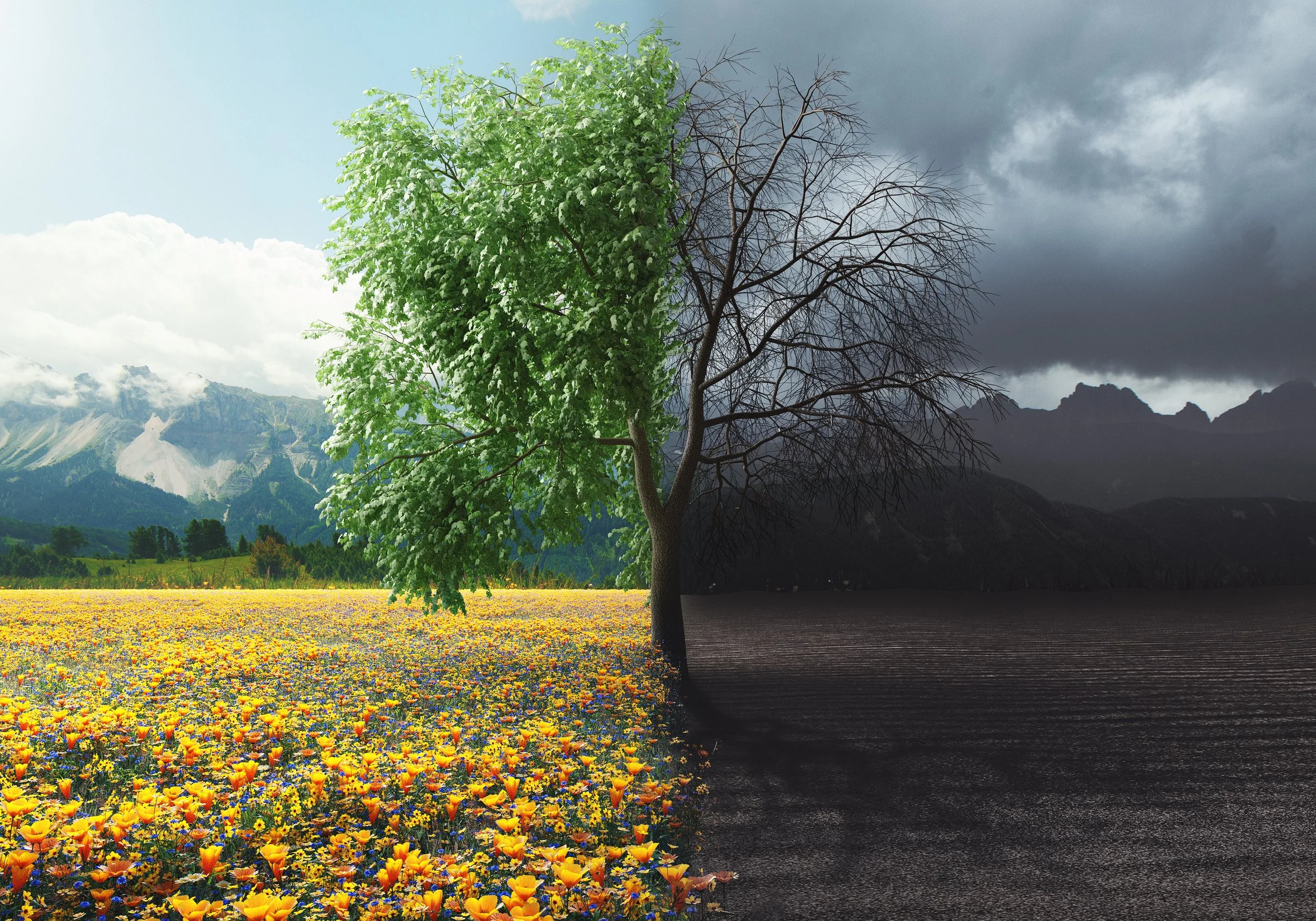
We live in a content-saturated world.
From the moment we open our eyes, we are exposed to distressing news stories about natural disasters, political dissension, and economic uncertainty. If we change the channel, we might catch a segment about an everyday hero saving a stranger or a jubilant crowd celebrating a hard-fought victory (Go Dodgers!). Scroll through social media and the range widens even further — from the brutal live footage of an assassination to an inspiring keynote speech of hope and unity, not to mention creative comedy bits, adorable animal videos, and educational tutorials on every subject from eyeliner to the enneagram.
This barrage of information touches each of us differently depending on where we live, what we value, and the lens through which we interpret it all.

"The most important decision we make is whether we believe we live in a friendly or hostile universe.”
Though often misattributed to Albert Einstein, this quote offers a brilliant inquiry nonetheless.
Pause to ask yourself:
What is it like to live in your universe?
Is it generally good and kind? Or mostly harsh and cruel?
Does it typically feel safe or threatening?
We are constantly absorbing information from our environment through our senses… often unconsciously. We may not realize how what we hear, smell, taste feel, and see can impact our thoughts and behaviors.
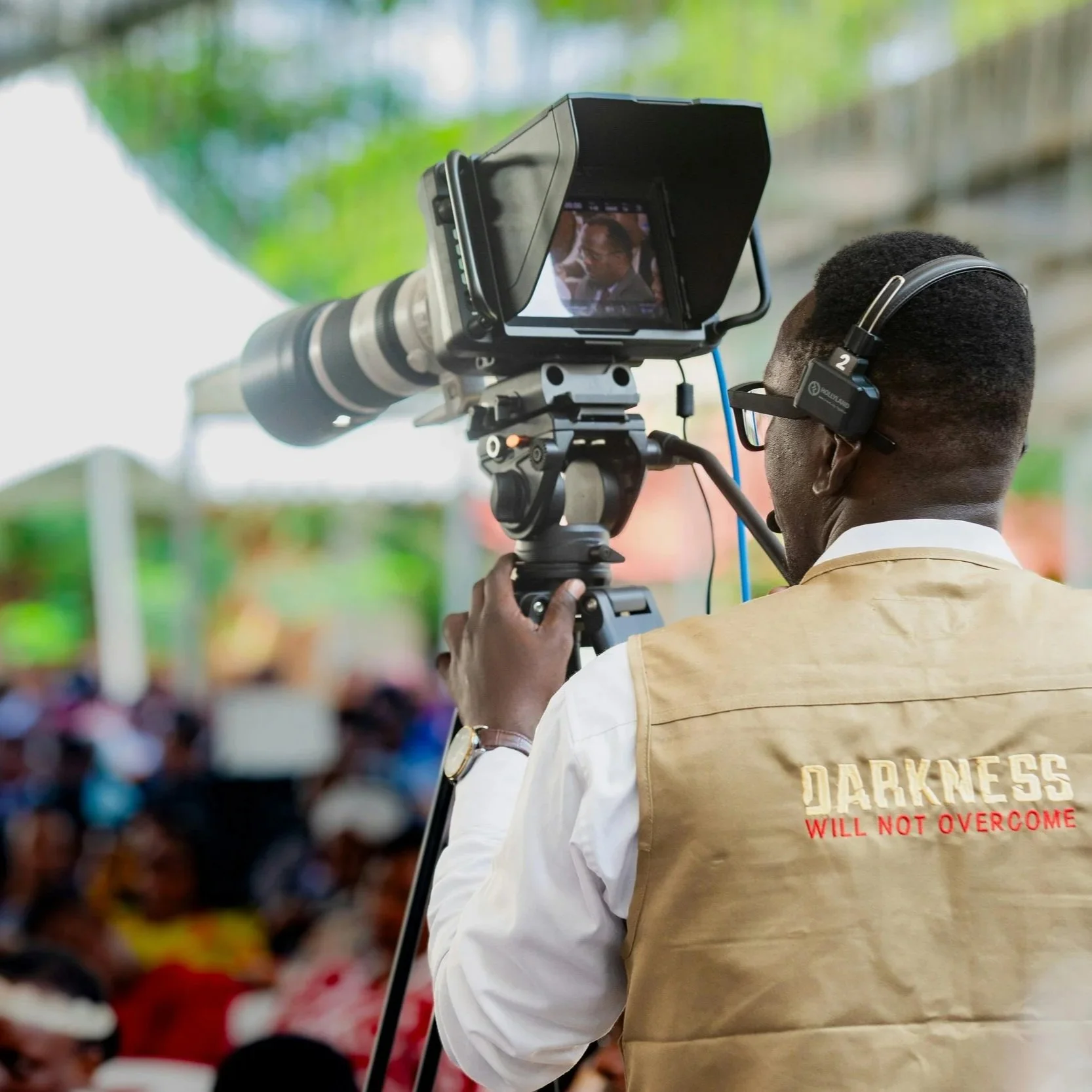
How we perceive the world has a profound influence on how we show up in the world.
Research indicates that even subtle shifts in perception, like looking through different tinted lenses, can affect our mood, arousal, and creativity (to name a few). The phrase, “seeing through rose-colored glasses” is more than just a metaphor. Red lenses evoke excitement, green communicates a sense of safety, blue regulates our circadian rhythm, and yellow heightens attention.
Even when you’re not sporting your favorite shades, the eyes through which you view the world shape not only what you notice, but how you feel. This contributes to a feedback loop, also known as a self-fulfilling prophesy. When you feel safe and confident, you approach others openly which is reflected back through your relationships. If the world seems threatening, you’re more likely to be vigilant or suspicious, which can cause you to feel alone and isolated in your experience.
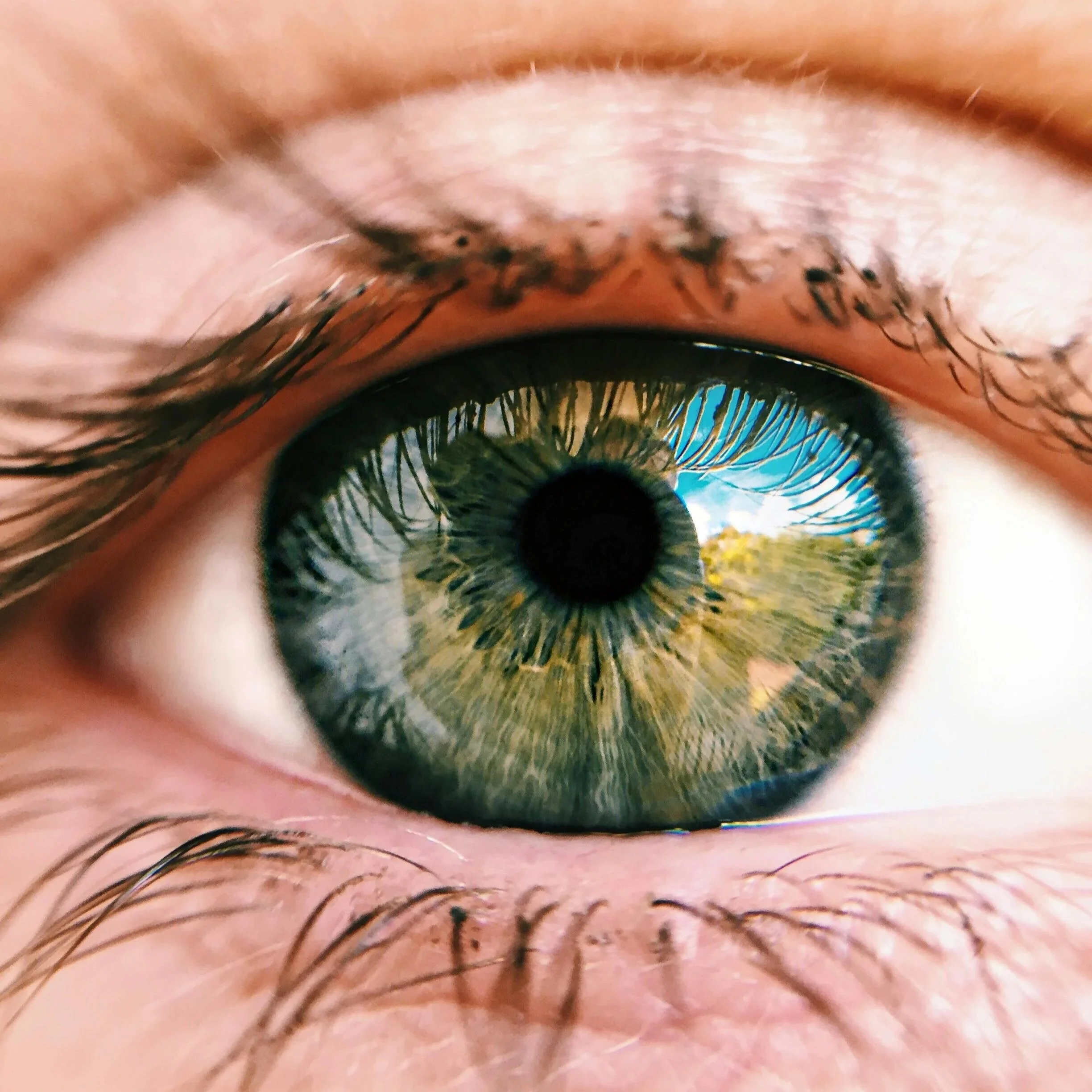
Our perspective alters not only our psychology but our physiology.
The mind and the body are intricately connected, each influencing the other in remarkable ways. Repeated studies show how what we expect and believe correspond directly with our body’s responses.
Unknowingly taking a sugar pill (placebo), expecting it to relieve pain, reduce anxiety, promote sleep, or quicken healing, is often just as effective as a potent medicine. Conversely, the nocebo effect (known as placebo’s “evil twin”) teaches us that anticipating a negative outcome — an illness, painful procedure, or unpleasant side effect — makes us more likely to experience it.
Collectively, we are living in a time of significant division, uncertainty, and distress. We may feel trapped and powerless.
However, extraordinary potential lies within each of us.
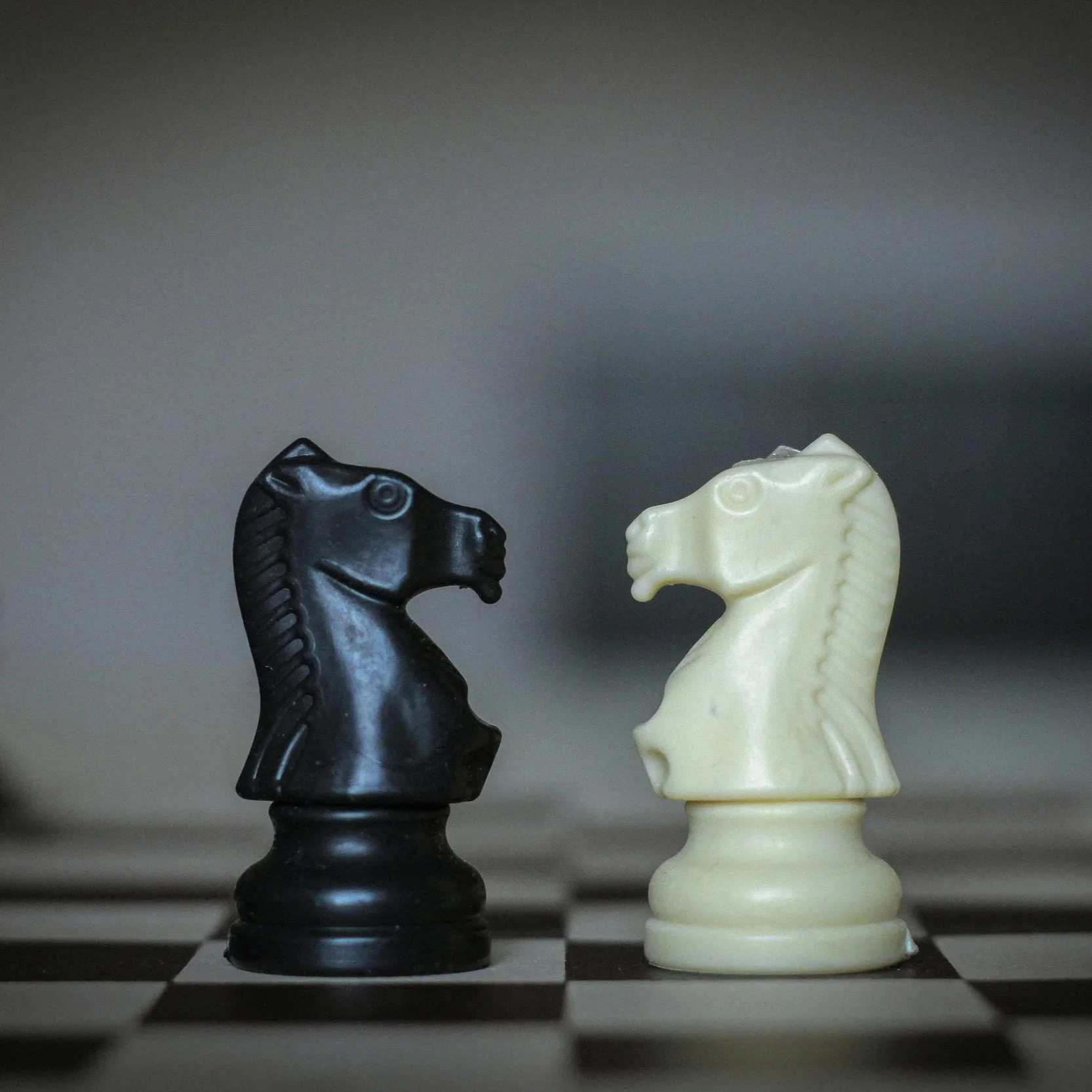
We have the power to choose.
We can either be passive consumers of whatever is shoveled at us, or we can practice intentional discernment of how we spend our time — what we watch, read, and listen to.
We can assume that people we don’t know (or don’t agree with) are callous and mean, or we can choose to look for humanity and kindness in others.
We can view our success as impossible… or as inevitable.
Is the universe against you? Or is it conspiring in your favor?
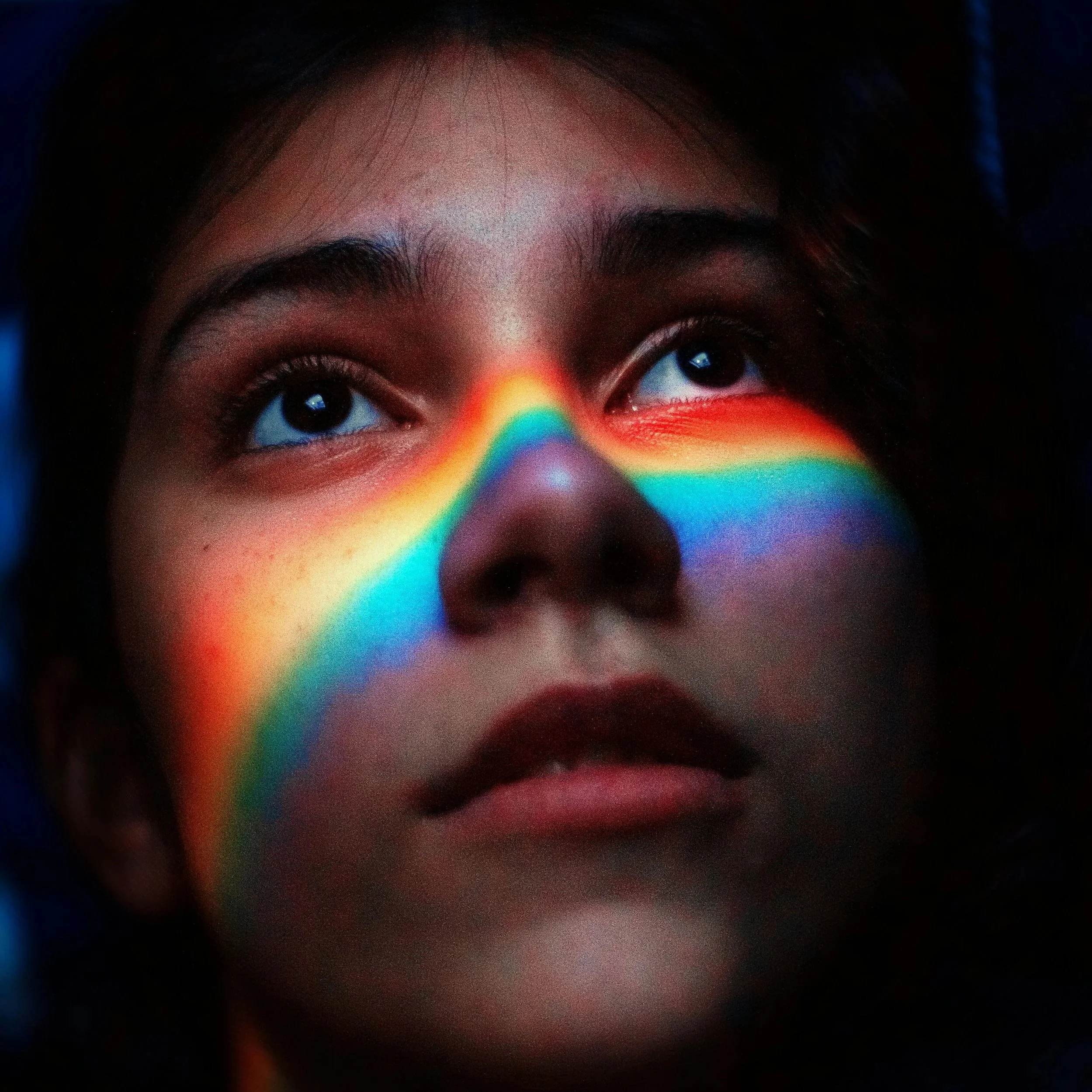
Our mind has the capacity to shift our perspective and to actualize our aspirations.
Professional athletes visualize their performance before an important event. Powerful leaders (for better or worse) believe themselves to be worthy of greatness. Entrepreneurs refuse to see failure as fatal. Artists bring to life what they’ve first imagined in their mind’s eye.
Our perspective influences what we see, how we relate to others, and how we feel about ourselves.
When we view the universe as generally safe and friendly, we have space for possibility — nuance, variety, and novelty. Rather than experiencing life as burdensome or constricted, we can broaden our lens to allow for levity, ease, and a sense of humor.
What we believe and what we perceive are the most powerful indicators of our experience.
Believing in kindness turns us on versus shutting us down.
Assuming positive intention opens us up rather than closing us off.
Noticing the world’s glimmers and goodness elevates instead of oppresses.
By choosing a friendly universe, we give grace and permission to ourselves and others to laugh, take chances, make mistakes, try again… and to hope.